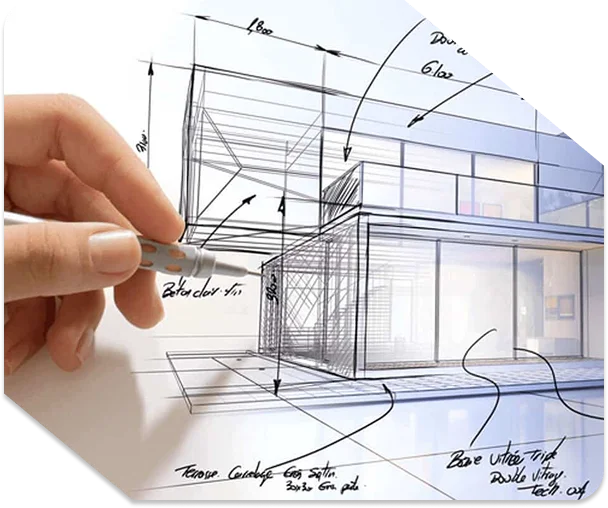
Our Flooring Estimating Services Designed to Help You Win More Bids
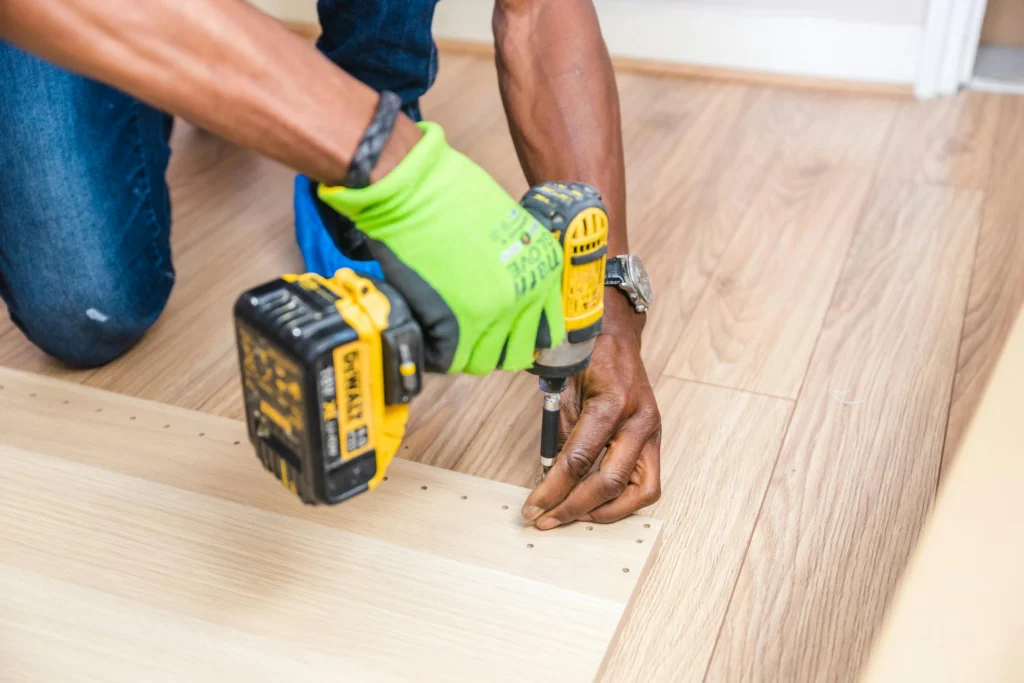
In any commercial, residential, or institutional project, flooring acts as the visual and functional anchor of the space. It is the surface that occupants interact with most directly, defining the aesthetic quality of the interior. However, from a construction standpoint, flooring is also one of the most operationally complex and financially volatile trades to estimate.
Located within CSI Division 09 (Finishes), the flooring scope encompasses a vast array of materials from large-format porcelain tile and intricate stone mosaics to high-traffic broadloom carpet, healthcare-grade sheet vinyl, and high-performance LVT.
The difference between a profitable flooring job and a financial loss often comes down to one factor: waste management. A simple square footage calculation is dangerously insufficient because it ignores the physical realities of roll widths, tile patterns, seam layouts, and critical subfloor conditions. Inaccurate estimates lead to material shortages (halting installation near completion), excessive overage (eating directly into profits), or change order disputes over floor preparation.
At Aris Estimating, we provide Definitive Flooring Estimating Services. We move far beyond basic area calculations to provide layout-driven, logic-based takeoffs. We empower Flooring Contractors, General Contractors, and Interior Designers to bid with precision, minimize scrap, and manage the complex logistics of procurement and installation.
I. The Flooring Challenge: Geometry, Waste, and Substrate Risk
The primary risk in flooring estimating is failing to account for how materials must be laid out in the real world versus how they appear on a 2D plan. The “Net Area” (the actual floor space) is rarely the “Gross Area” (the amount of material needed).
| Flooring System | Primary Cost Driver | Critical Quantification Detail | Risk of Inaccuracy |
|---|---|---|---|
| Tile & Stone | Installation Pattern & Grout | Net vs. Gross Area (waste for diagonal/herringbone); Grout volume by joint size; Trim pieces. | Shortages (due to cut waste at perimeters); Labor Overruns (underestimating pattern complexity). |
| Carpet (Broadloom) | Roll Width & Seaming | Roll Optimization (12' vs 13.5' vs 15' goods); Pattern repeat matching; Seam diagramming. | Excessive Waste (unusable "drops"); Aesthetic Failure (poor seam placement requiring rework). |
| Resilient (Sheet/LVT) | Subfloor & Adhesives | Linear footage of transitions; Gallons of adhesive (by trowel size); Flash coving height. | Change Orders (unexpected floor prep); Material Failure (wrong adhesive coverage rate). |
II. Specialized Takeoffs by Flooring System
We approach every floor finish as a unique system with specific installation requirements, labor units, and waste logic.
A. Tile and Stone (Ceramic, Porcelain, Natural Stone)
This is the most detail-intensive scope. Our takeoffs ensure every component of the assembly is captured:
- Pattern-Specific Waste Factors: We apply distinct waste percentages based on the layout. A standard grid pattern might need 5-7% waste, while a diagonal or herringbone pattern requires 15-20% to account for the extensive cutting required at every wall perimeter.
- Vertical Surfaces: We don’t just look down; we look at the walls. We quantify wall tile for wainscoting, backsplashes, and full-height wet areas (showers), meticulously counting bullnose, pencil trim, and Schluter strips for exposed edges.
- Ancillary Materials: We quantify the “hidden” costs: gallons of waterproofing membrane (e.g., RedGard, Hydro Ban), bags of thin-set/mortar (factoring in tile format size), and pounds of grout based on the specific tile thickness and joint width.
B. Carpet (Broadloom and Tile)
Carpet estimating is an exercise in geometry and optimization.
- Broadloom Roll Optimization: For broadloom (roll) carpet, square footage is useless. We analyze the roll width (typically 12′ or 15′) and the room dimensions to determine the most efficient seam layout. We calculate the “useless drop” waste to ensure you order enough linear footage of the roll to complete the room without aesthetic compromises (e.g., cross-seams).
- Pattern Matching: If the carpet has a pattern repeat (e.g., 18″ x 18″), we factor in the additional material required to match the pattern at the seam, which can significantly increase the total yardage.
- Carpet Tile: We quantify the net area plus a “grid-waste” factor (typically lower than broadloom), and we count the cartons of adhesive or the number of grid-tape tabs required for installation.
C. Resilient and Wood Flooring (Division 09 65 00)
- Sheet Vinyl & Flash Coving: Essential for healthcare and sterile environments. We quantify the sheet good with seam layouts and calculate the integral flash coving (extending the floor up the wall), which requires specialized cap strips and cove stick supports.
- LVT/LVP and Planks: Quantification of Luxury Vinyl Tile and Plank, factoring in staggering waste.
- Transitions: We meticulously map every doorway and floor-finish change to quantify the linear footage of transition strips (reducers, T-moldings), specified by material (rubber, aluminum, wood).
III. The Hidden Variable: Subfloor Preparation
Subfloor preparation is the number one source of flooring change orders and schedule delays. We help you anticipate these costs upfront.
- Leveling and Patching: Based on the flooring type (e.g., large format tile requires a flatter floor than carpet), we estimate the bags of Self-Leveling Compound (SLC) or feather finish required to meet tolerance.
- Moisture Mitigation: For concrete slabs, we flag requirements for moisture testing and quantify the square footage of expensive moisture mitigation primers or barriers if indicated by the specification, protecting you from future bond failure liability.
- Crack Isolation: Quantification of fracture-bridging membranes required over concrete control joints to prevent tile cracking.
IV. The Aris Estimating Advantage: From Plan to Procurement
Our methodology is designed to translate architectural intent into a purchasable, installable list.
1. Visual Seam and Layout Diagrams
We provide color-coded diagrams that visualize the flooring scope.
- Visual Verification: You can see exactly where we stopped the tile and started the carpet, and where we placed the seams.
- Phase Planning: These diagrams help site superintendents plan the sequence of installation.
2. Assembly-Based Costing
We group items into assemblies for easier bidding. For example, a “Typical Bathroom Floor Assembly” includes:
- Porcelain Floor Tile (Net SF + Waste)
- Crack Isolation Membrane (SF)
- Latex-Modified Thinset (Bags)
- Stain-Resistant Grout (Units)
- Marble Threshold (Count/LF)
3. Procurement Support for Contractors
- Box and Pallet Rounding: We can convert raw square footage into purchasing units (e.g., “1,200 SF = 45 Boxes”).
- Adhesive Coverage Logic: We calculate adhesive needs based on the specific trowel size recommended by the manufacturer (e.g., V-notch vs. square-notch), preventing mid-job supply runs.
V. Strategic Benefits for Your Business
Our services are tailored to the specific needs of the flooring supply chain.
For Flooring Subcontractors
Stop guessing on waste. Our precise material lists allow you to tighten your bid spread and win more work without risking your profit on material overages or shortage delays. You bid the exact amount needed to do the job right.
For General Contractors
Level your bids. If one tiler says 1,000 SF and another says 1,300 SF for the same lobby, our verified takeoff serves as the “truth source,” telling you who is right (and usually, it’s about the pattern waste factor). This prevents you from carrying a low number that results in a change order later.
For Architects and Designers
Budget validation. Verify that your intricate floor patterns and high-end material selections fit within the client’s budget before the bid goes out, allowing for value engineering of materials or layouts if necessary.
Ready to bid with confidence and lay the groundwork for a profitable project? Partner with Aris Estimating for flooring takeoffs defined by pattern precision, waste control, and technical expertise.